
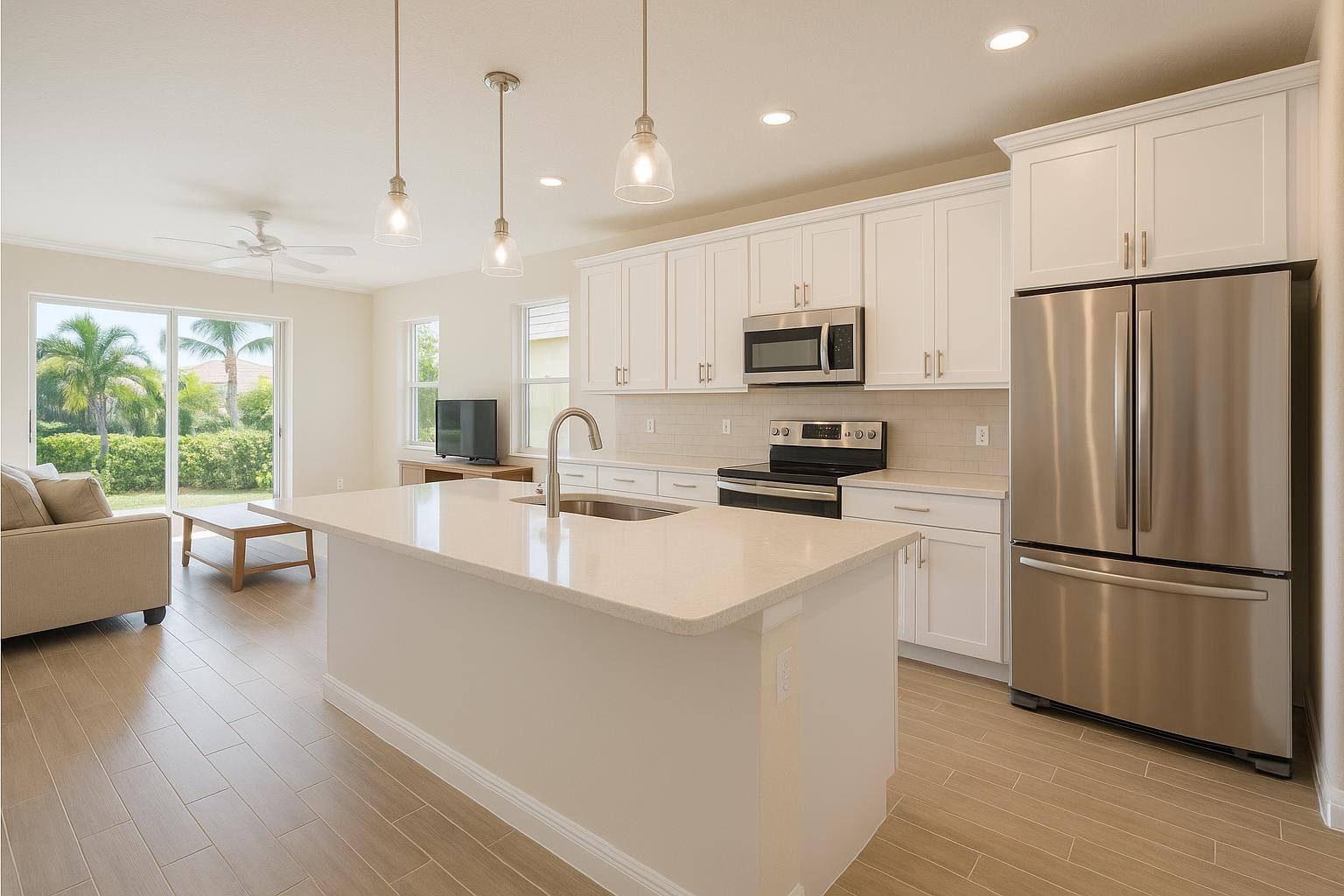
The Open-Concept Kitchen: Dream or Disaster?
If you've spent any time browsing home renovation inspiration online, you've probably fallen in love with the idea of an open-concept kitchen. Walls come down, light floods in, and suddenly your kitchen flows seamlessly into your living and dining areas. It looks effortless in the photos.
But here in Sunrise, where homes range from 1970s ranch-style builds to newer developments in places like Sawgrass and The Meadows, the reality of opening up a kitchen is a bit more complicated than swinging a sledgehammer. Before you commit to tearing down walls, you need to understand what's actually involved — and whether your home is a good fit for this kind of transformation.
Why Open-Concept Kitchens Are So Popular in South Florida
There's a reason this layout dominates wish lists. Open-concept kitchens offer real, everyday benefits that are especially appealing to families in the Sunrise area:
- Better entertaining flow. When friends and family come over, the cook isn't isolated behind a wall. Conversation moves naturally between the kitchen, dining area, and living room.
- More natural light. Removing walls allows sunlight from windows and sliding glass doors to reach deeper into your home — something South Florida homeowners should absolutely take advantage of.
- Easier supervision. Parents can keep an eye on kids in the living room while prepping dinner. It's a practical layout for busy households.
- Increased home value. Open floor plans consistently rank among the most desirable features for buyers in Broward County. If resale is even a distant thought, this renovation can pay off.
How to Tell If Your Home Is a Good Candidate
Not every home can — or should — go open-concept. Here are the key factors we evaluate when Sunrise homeowners ask us about this kind of remodel.
1. Identify Load-Bearing Walls
This is the single most important consideration. The wall between your kitchen and living room might be holding up your roof or second story. Removing a load-bearing wall isn't impossible, but it requires installing a structural beam or header to redistribute the weight safely. This adds cost and complexity, and it absolutely requires a licensed contractor and proper engineering.
We always recommend a professional assessment before you get too attached to a specific layout. What looks like a simple wall on the surface might be doing critical structural work behind the drywall.
2. Check What's Inside the Walls
Walls aren't just drywall and studs. They often contain plumbing lines, electrical wiring, HVAC ductwork, and even gas lines. In many Sunrise homes built in the 1980s and 1990s, the kitchen wall facing the living area is packed with utilities that need to be carefully rerouted before anything comes down.
This doesn't mean the project is off the table — it just means the scope of work is larger than it appears. A thorough evaluation upfront prevents expensive surprises mid-renovation.
3. Consider Your Cooking Habits
This is the question people don't ask often enough: do you actually want your kitchen visible at all times? Open-concept layouts mean cooking smells travel freely, dirty dishes are on display, and kitchen noise carries into every corner of your living space. If you do a lot of heavy cooking — frying, grilling, or preparing aromatic dishes — you may want to think about a partial open concept with a half-wall or a large pass-through instead of a fully open layout.
4. Think About Storage
Removing a wall means losing the cabinets and counter space that were attached to it. In many kitchens, that wall houses upper cabinets, outlets, and usable countertop area. Before committing, you need a plan to replace that storage elsewhere — whether through an island, a pantry addition, or reconfigured cabinetry on the remaining walls.
What the Renovation Actually Involves
Once you've determined your home is a good candidate, here's a general overview of what an open-concept kitchen remodel looks like from start to finish.
Permits and Engineering
In Sunrise, any structural modification requires a building permit from the City of Sunrise Building Division. If a load-bearing wall is involved, you'll also need engineered plans showing how the load will be redistributed. Skipping this step isn't just risky — it's illegal and can create serious problems when you try to sell your home.
Demolition and Structural Work
After permits are secured, the wall comes down and any necessary beams or headers are installed. This phase also includes rerouting any electrical, plumbing, or HVAC systems that ran through the removed wall. Depending on complexity, this stage typically takes one to two weeks.
Flooring Transitions
When you remove a wall, you're left with a gap in the flooring where the wall's bottom plate sat. If your kitchen has tile and your living room has laminate or hardwood, you'll need to decide whether to patch, blend, or install new flooring throughout the combined space. Many of our clients in Sunrise use this as an opportunity to install cohesive new flooring across the entire area, which creates a much cleaner look.
Kitchen Updates
Most homeowners who go open-concept also take the opportunity to update their kitchen finishes. New countertops, refaced or replaced cabinets, updated lighting, and a fresh coat of paint can make the newly opened space feel completely transformed. Adding a kitchen island where the wall used to be is one of the most popular choices — it provides counter space, storage, seating, and a natural boundary between the kitchen and living area.
Finishing Touches
Ceiling and wall repairs where the old wall connected, new trim work, paint matching, and final electrical and plumbing inspections round out the project. Every detail matters when two rooms become one, because there's nowhere for imperfections to hide.
Partial Open-Concept: The Best of Both Worlds
If a fully open layout doesn't feel right for your lifestyle, consider a partial open concept. Options include:
- A half-wall or pony wall that maintains some separation while still opening up sightlines and light.
- A large pass-through window cut into the existing wall, sometimes with a bar-height counter for casual seating.
- Removing the upper portion of the wall only, keeping the lower section for base cabinets and counter space.
These compromises give you the airy, connected feeling of an open floor plan without sacrificing all your storage or privacy.
What It Costs in the Sunrise Area
Open-concept kitchen remodels vary widely depending on structural requirements, the extent of finish upgrades, and the size of the space. In the Sunrise and greater Fort Lauderdale area, homeowners can generally expect to invest between $15,000 and $50,000 or more for a comprehensive project that includes wall removal, structural modifications, and updated kitchen finishes.
The best way to get an accurate number is to have a contractor visit your home, assess the existing structure, and provide a detailed estimate based on your specific goals.
Ready to Open Things Up?
At Star Building Contractors, we've helped homeowners throughout Sunrise, Plantation, Coral Springs, and the surrounding communities transform closed-off kitchens into beautiful, functional open-concept living spaces. We handle everything from the initial structural assessment and permitting to the final paint touch-ups and walkthrough.
If you've been dreaming about an open-concept kitchen, the first step is a conversation. Contact us to schedule a free consultation, and we'll help you figure out exactly what's possible in your home.